

Behind one of my sheds is a patch that I don’t have to plant, weed, or fertilize anymore. It can’t even be called a bed because it’s just a collection of plants that are growing as companions to one another. Every one of these perennial plants has a use. Some are for food, some for flavoring, and some for eating either fresh or cooked. In this small space, there is a plant that I can use for the next several months.
First, there’s what I planted there. Originally, I had planted garlic in that area along with these vegetables. The garlic is long gone and the offspring of the original plants have moved to other parts of the garden.
What I Planted
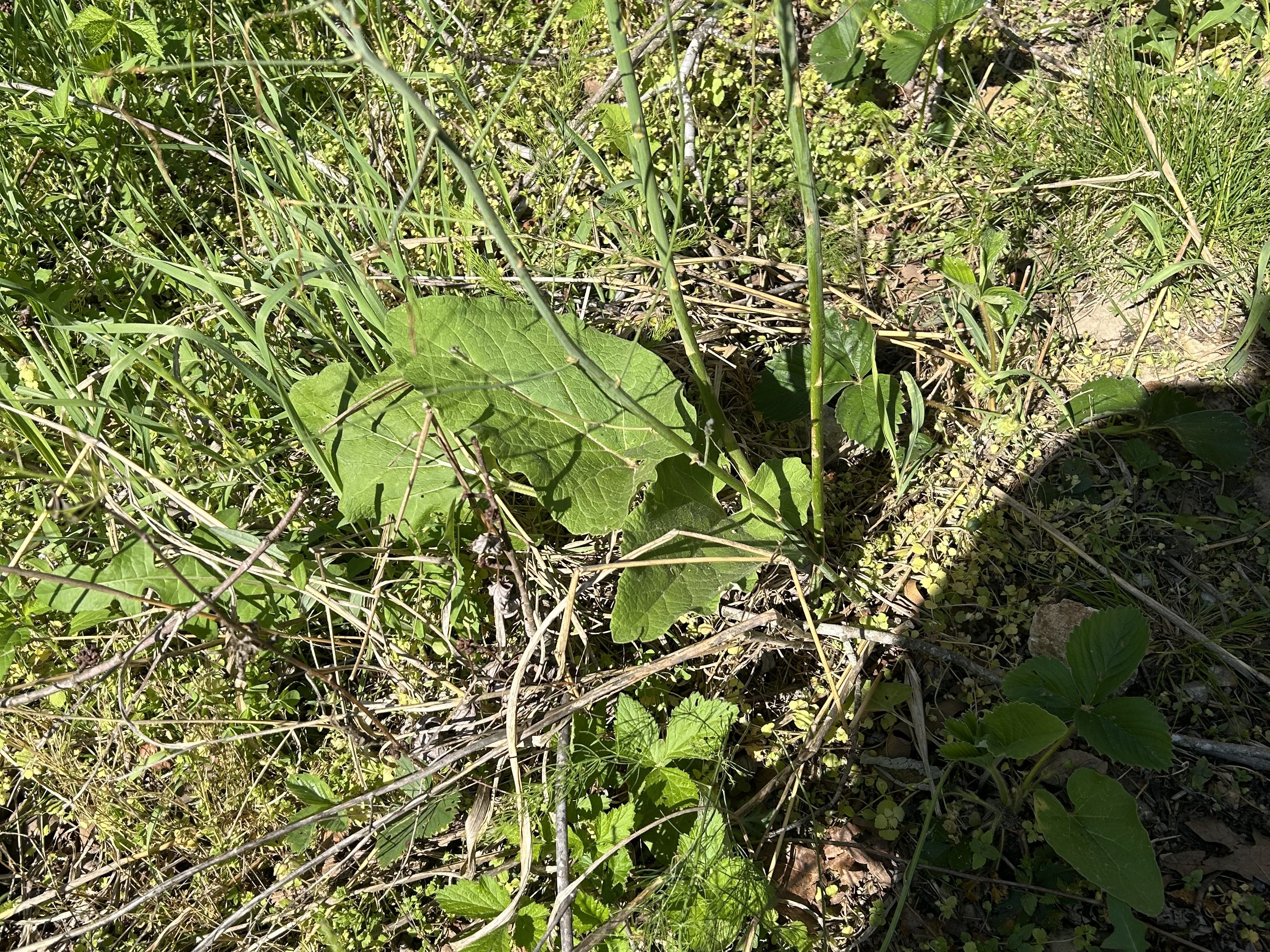
Asparagus
I planted asparagus from seed in the autumn of 2019 because I planned to move to our place in the summer of 2020. Instead, because of the pandemic, I moved here in the spring and planted them behind the barn so that they wouldn’t be in the way when they brought our mobile home onto the property. The asparagus could have been picked earlier this spring, but I didn’t realize it was ready as early as it was, I will be paying more attention to it next year. The asparagus is in its permanent location.
Strawberries
That same season, I planted strawberries alongside the asparagus and I have been getting a few berries from the plants for several years. I haven’t had as many as I would like, but I plan to transplant some of them this fall into a better gardening area.
Not only are these delicious berries, but the leaves are also edible. They contain several vitamins and other health benefits. Vitamin C (an antioxidant), calcium (can help with bone health), and iron (can improve red blood cells) are found in the leaves.
Strawberry leaves contain low levels of tannins that serve to help with an upset stomach, cramps, or bloating.
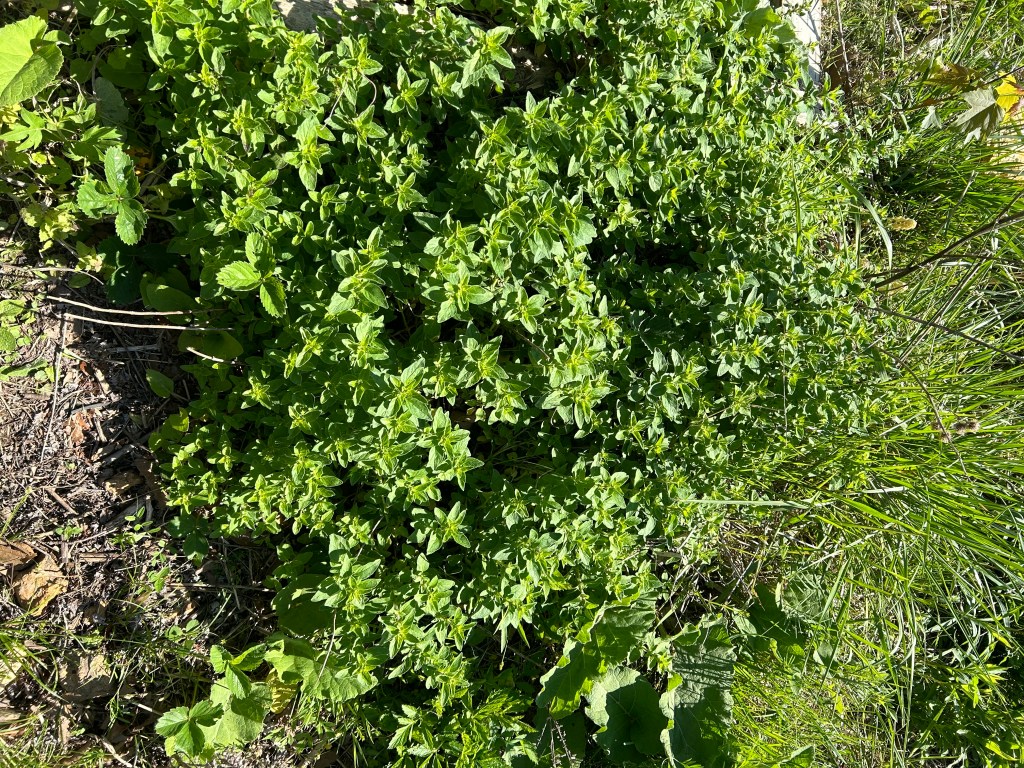
Oregano and Thyme
I planted oregano and thyme in a small bed in 2020 soon after I moved here. Both can be used fresh and then I dry some for the winter months to use as seasonings. The oregano tends to overtake the bed in the early spring. Although you can’t see it, under the oregano, the thyme grows protected from the heat of summer. When the oregano dies back later in the season, the thyme will take its place in the cooler autumn months.
Oregano is not just a tasty herb. It also is rich in antioxidants, has antibacterial and anti-microbial, and potential anti-cancer properties, and is an anti-inflammatory.
Thyme helps reduce blood pressure, and foodborne bacterial and yeast infections, increases the stability of cooking oils, and improves common skin conditions including acne. Some people claim that it helps against several types of cancer. It can be used to kill the tiger mosquito.
The Weeds
Even though I planted the above plants, there are other plants in this “garden” which I did not plant, but are highly useful for food and medicine.
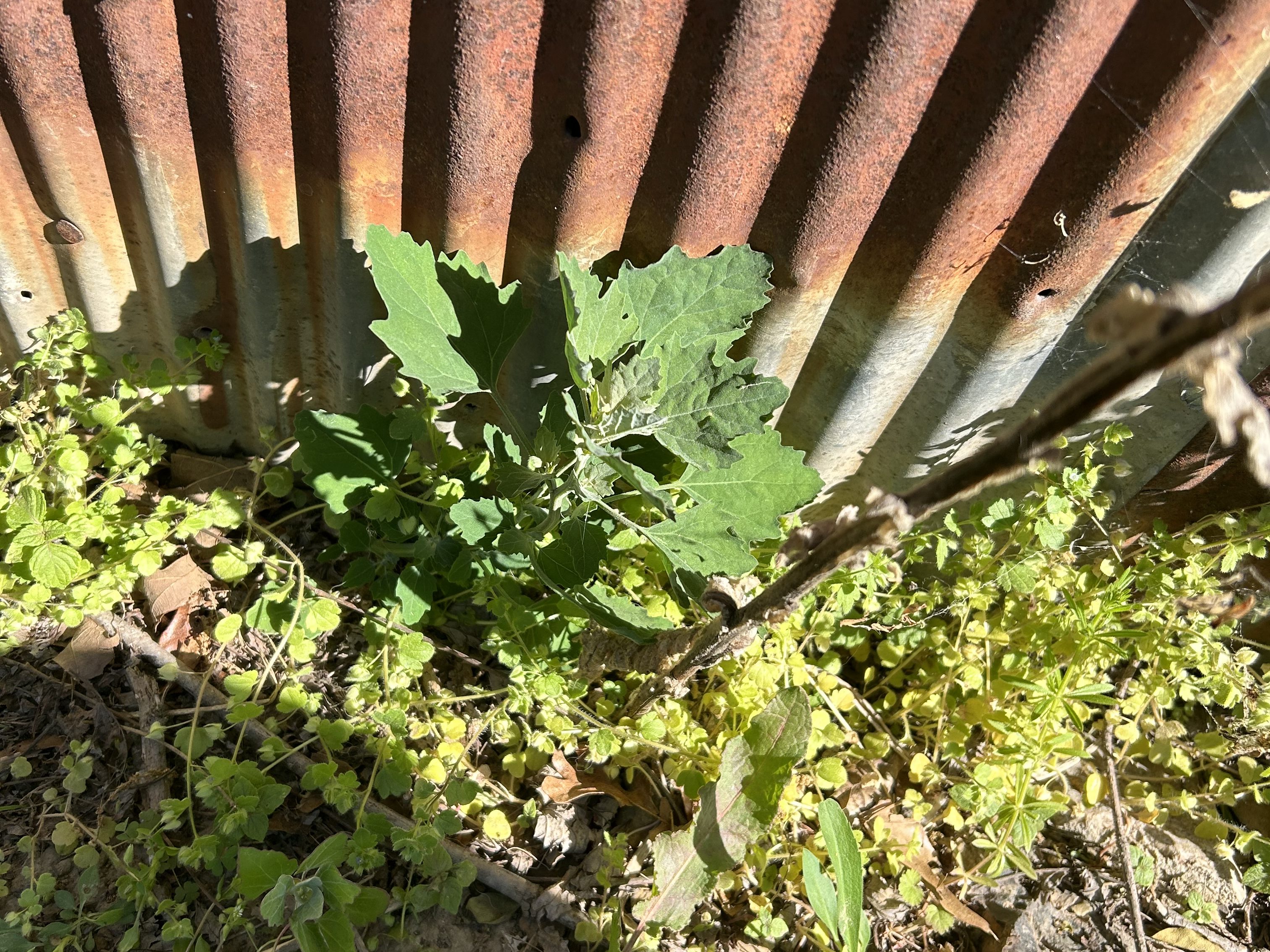
Lambsquarters
Lambsquarters is one of my favorite edible herbs. This herb I have eaten raw in salads and have eaten it cooked and eaten in place of spinach many times. This plant is rich in antioxidants. Lamb’s quarters promote circulation, are good for eye health. Some people believe that it could hasten the healing process and help the body detoxify. It may be good for skin health because it is rich in vitamins and minerals. It may also be good for respiratory health.
Plantain
Plantain can also be eaten raw or cooked. I have also infused it into coconut oil and then combined it with beeswax to make a salve as an effective treatment for insect bites.
Burdock
Burdock roots and leaves can be cooked and eaten. Burdock root has several health benefits. It is a rich source of antioxidants, which help protect your cells from damage and thereby help reduce your risk of chronic diseases, like diabetes, high blood pressure, arthritis, and even some cancers.
It aids in digestion and improves gut health as a source of inulin, a prebiotic fiber. It also contains flavonoids (plant nutrients), phytochemicals, and antioxidants that are known to have health benefits.
Mullein
Mullein is a plant that has many health benefits, especially for respiratory problems, ear infections, and skin conditions. The leaves of the mullein can be made into a tea that helps reduce inflammation, fight infections, loosen mucus, and soothe irritation in the lungs and airways.
The flowers can be made the flowers into an extract, tincture, or steam, (I have made an oil with mullein) to use for ear infections to reduce pain, swelling, and infection in the ear canal. Do not use if you have a ruptured eardrum or fever.
Always consult a doctor before using any of the above remedies suggested above.
If you’re interested in putting in a vegetable garden this year, I have written several books that can help you get started. All are available on Amazon.
Simply Vegetable Gardening
The Survival Garden
The Four Seasons Vegetable Garden
Help From Kelp
Using Diatomaceous Earth Around the House and Yard
 The Perpetual Homesteader
I think I see some cleavers in the lambs quarters pic.
LikeLike