This year I have been doing what I can to get as much from a small garden space as possible. To tell you the truth, the reason is we are getting older and don’t have as much energy as we used to even just a few years ago. The old body doesn’t recover as fast as it used to and the summer heat is more draining than in past years.
That doesn’t mean that we can’t continue to have produce vegetables in our garden. We just must plan our days better and focus more on gardening during the spring and autumn months which is why we are planting a fall garden beginning in August and indoors.
Our Fall Garden Veggies
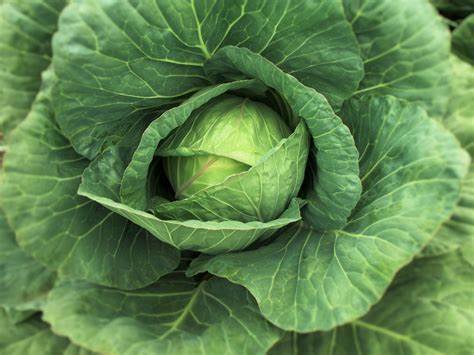
We had good luck this spring with broccoli and cabbage so we will be planting more of these cole crops this fall. We also want to include some other greens, carrots, turnips, and beets. The root plants and the greens I’ll plant directly in the garden in September. This week we’ll be starting the broccoli and cabbage.
Of course, where I live, the first of August is the time to plant however, the same might not be true where you live. Here’s the USDA chart for when to plant fall crops here in the US.
| USDA Growing Zone | Average First Frost | Planting Cool Season Seeds |
| USDA Zone 4 | Sep 21 – Oct 7 | Jun 1 – Jul 15 |
| USDA Zone 5 | Oct 7 – Oct 14 | Jun 15 – Jul 31 |
| USDA Zone 6 | Oct 14 – Oct 21 | Jul 1 – Aug 7 |
| USDA Zone 7 | Oct 21 – Oct 28 | Jul 7 – Aug 14 |
| USDA Zone 8 | Oct 28 – Nov 7 | Jul 14 – Aug 21 |
| USDA Zone 9 | Nov 7 – Nov 28 | Jul 21 – Aug 28 |
| USDA Zone 10 | Late Dec – Early Jan | Aug 21 – Sep 30 |
I live in USDA Zone 6B which is at the end of the planting cool season seeds planting time recommendations so this week will be good for us.

In the spring I planted two broccoli plants. They were the Waltham 29 variety. It worked well for us in the spring garden. It produced a large central head and offered numerous side shoots over several weeks providing us with broccoli for several meals.
I also planted several types of cabbage. Two were oriental varieties Suzhou baby Boc Choy, Late Nagasaki, and the Premium Late Flat Dutch cabbage. Again, we had planted one large cabbage plant in the spring and several oriental plants. I also planted some Chinese White Celery. I am planting the broccoli and Dutch cabbage all at once and doing a succession planting of the oriental cabbage and some winter lettuce over the next three weeks.
I find that it works best to germinate these plants indoors. The summer heat can slow down germination and I am starting them indoors in an air-conditioned space. Once they have germinated, I will move them outdoors to a protected area and keep them until the plants are large enough to be put outdoors.
Planting the seeds indoors is an easy process. I started with one of the trays that I had used in the spring and filled it with a soil mix left over from when we planted the sweet potatoes.
Once the soil was in the planting tray, I then dampened the soil. The soil was ready for the seeds. I sowed two seeds ½ inch deep in the center of each section in the tray. I covered the seeds with soil and spritzed the top of the soil with water. Now that the plants were planted, I covered them with the plastic cover that came with the tray and put it in a cool room in the house. Until the plants germinate the plants can stay in a dark location, but once growth starts above the soil, I will remove the lid and move the plants outdoors so they can get sunlight. On extremely hot days, I can still bring the plants in from the heat.
If you’re interested in putting in a vegetable garden this year, I have written several books that can help you get started. All available on Amazon.
Gourmet Weeds
Paperback copy of Gourmet Weeds
Simply Vegetable Gardening
The Survival Garden
The Four Seasons Vegetable Garden
Help From Kelp
 The Perpetual Homesteader