And I didn’t even know it!
This past week I went to a workshop put on by a friend of mine about medicinal remedies found in our area. The first thing she did was remind us that she was not a doctor and that what worked for her would not necessarily work for everyone and that what she shared was not meant to be a replacement for professional medical care.
Of the medicinal herbs that she mentioned, many of them are here in my backyard.

Broadlead and Narrowleaf Plantain (Plantago major and Plantago lanceolata)
Broadleaf and Narrowleaf Plantain- These two herbs are both common and very similar and can be used interchangeably. It can be used to treat itching from insect bites by using a spit poultice (just as it sounds, chew up a leaf and apply the poultice you’ve created to the bite.) I have found instant relief. If using your saliva grosses you out too much, you can also make a tea preparation to spray onto the bite or an oil or ointment to apply onto the bite for immediate treatment.
This herb can also be eaten raw in a salad or steamed for greens for super nutrition.

Rose of Sharon (Hibiscus syriacus)
Another common plant in our area is the Rose of Sharon. I have one of these small trees in my yard right now. The entire flower can be shredded and placed in a gallon of water and stored in the refrigerator for a couple of weeks. The resulting water can be put in a bottle and sprayed onto dry or sunburned skin. You can also drink the water when you have dry mouth or need to be rehydrated very quickly.

Elderberry (Sambucus nigra)
This time of year elderberry is picked locally for its medicinal properties. The juice from the berries have been shown to build up the body’s immune system and is one of the few known antivirals. I can personally attest to this. My husband and I used elderberry during the Covid pandemic and neither one of us had the disease even though I taught sixth graders who had difficulty keeping masks on their faces during the time. Another woman in our workshop said that last fall and winter she and her children avoided getting colds and the flu. By contrast, her husband refused to take the elderberry syrup and he got sick several times last season.
Other people talked about how elderberry syrup helped them recover from the flu and C19.
Different ways exist to make elderberry syrup. Here’s how I do it. I use only the ripest berries and remove all stems and unripe berries as the cooked ripe berries and blossoms are not toxic. I then cover the ripe berries with 3 times as much water as you have berries. Cook this down by half and strain out the juice from the berries and seeds. Sweeten to taste with local raw honey. I then added an equal amount of brandy to the resulting juice and stored it in the refrigerator. We swallowed 1 tablespoon of this delicious syrup every day.
Make a tincture of elderflowers when someone needs to sweat to help break a fever.
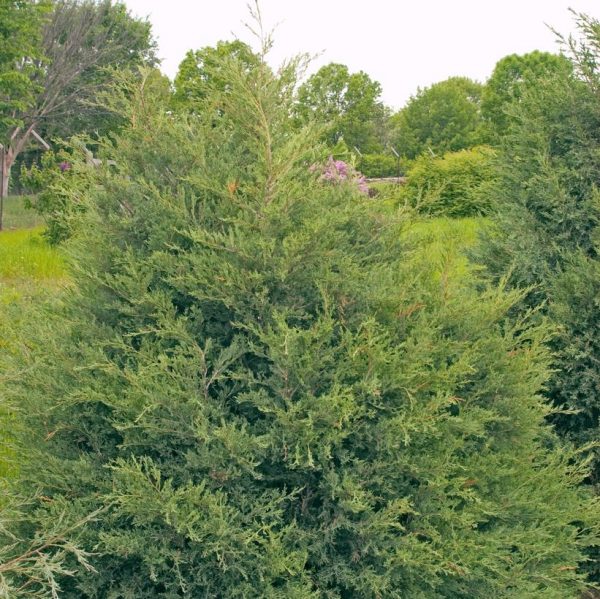
Juniper (Juniperus virginiana)
Juniper or eastern red cedar needles can be dried and used in tea or can be used fresh as in a steam treatment to treat respiratory issues.
Juniper berries are super strong diarrhetic and should only be used for extreme circumstances while under the supervision of an experienced herbalist.
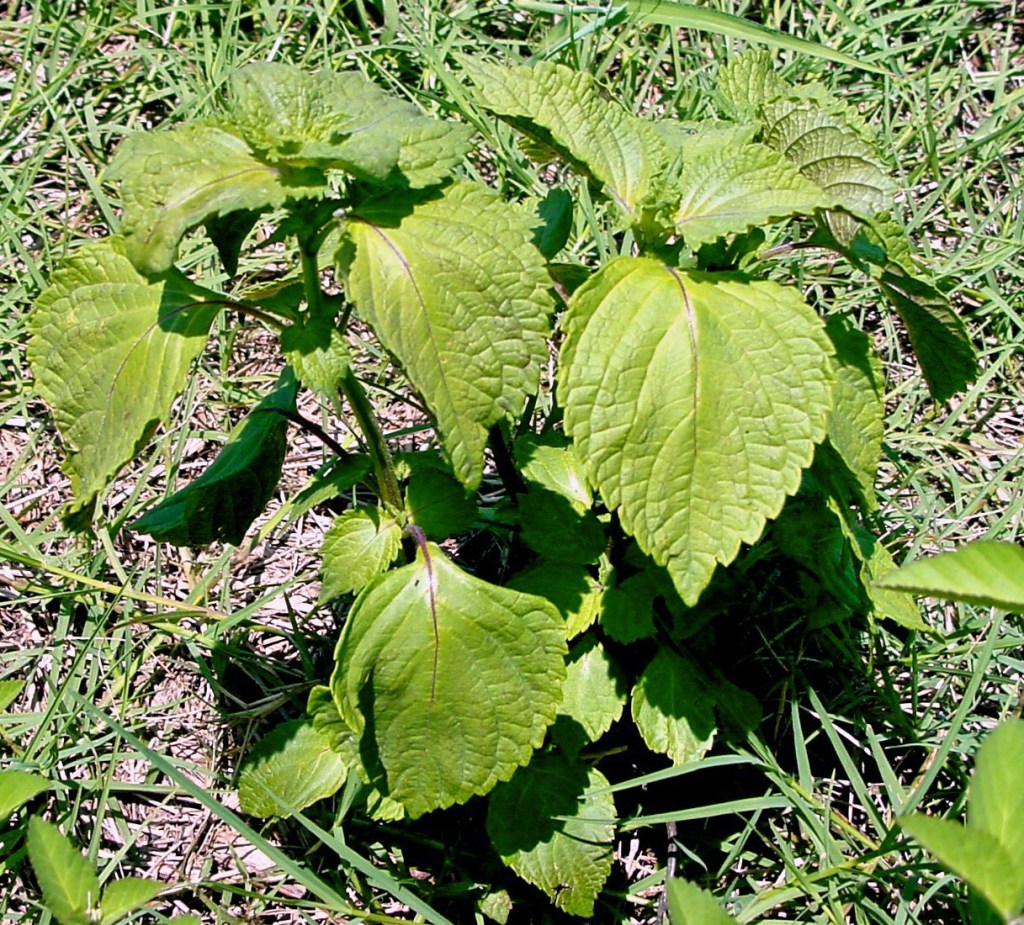
Perilla Mint (Perilla frutescens)
Perilla mint contains chemicals that might decrease swelling and help reduce the growth of cancer cells. People use perilla for hay fever, asthma, canker sores, dementia, and many other conditions.
Perilla mint is a common mint in my backyard and since it is readily available, I will be using it in place of other mints in my summer iced tea to keep me cool in the summer months.

Ragweed (Ambrosia asteraceae)
Ragweed is one of those cases where the cure and the cause are the same. Make a ragweed honey. To make the honey, warm some honey to between 90-100 degrees F. (Local honey is best because it also has anti-allergy properties). Add crushed ragweed leaves and leave the ragweed in the honey until honey changes color. Take a tiny amount of the honey every couple of hours until you get relief. If you find yourself getting a reaction to the ragweed in the honey. Stop taking it immediately.

Goldenrod (Solidago asteraceae)
Goldenrod can also be used to help build immunity to the histamine reaction of ragweed. Make it into a tincture to use whenever allergies flare up.

Violets (Viola papilionacea)
This is not one of the herbs that are currently growing in my yard, because it is primarily available in the cooler spring months. My friend showed us how to use a violet blossom oil to help soften our skin. Plus, as stated in our book Gourmet Weeds, violet leaves and flowers are delicious in salads and steamed greens.
She suggested that for the best aromatic experience, we should all go out in the spring to pick a basket of violets, put our noses into the basket, and take a deep whiff for its aromatic well-being benefits.
These are just a few of the plants and herbal remedies she covered during the workshop. Next week she will be having another workshop where we will get a hands-on demonstration where we make our own teas. I look forward to telling you about that experience as well.
For more about nutritious weeds that may be found in your backyard, check out our book: Gourmet Weeds by Cygnet Brown and Kerry Kelley.

 The Perpetual Homesteader