Homesteading is more than just having a garden and livestock. Homesteading is about being prepared for whatever problems may come your way. Some of these problems include natural disasters that could happen to any of us.
There are two rules of threes that I learned several years ago that should be the basis for any disasters that we may face in the future. It’s one of our first considerations when disaster strikes, is that we must understand the priorities. The first rule of threes is the Rule of Threes for Survival and the other is The Rule of Backups.
Rule of Threes for Survival
The first rule of threes relate to what we should consider our priorities for survival. We can go without oxygen for no more than 3 minutes, We can go without adequate shelter for up to three hours. We can go up to three days without water. We can go three weeks without food.
Oxygen
A lot of people don’t always consider this aspect, but it’s really important and worth putting up first. Oxygen deficiency in one form or another contributes to deaths every year. In a house fire for example, affixation will kill someone before the flames do. Keeping fire extinguishers and smoke detectors is part of this level of care. Also, carbon detectors will help ensure you have adequate oxygen. Also, adequate ventilation for heating and cooking sources or in generator use must be of primary importance whenever these are in use. When sheltering in your car, always be sure that the exhaust is unrestricted if affixation is not on your agenda.
Shelter
The idea of shelter relates to anything that protects us from the elements. Naturally, this does relate to our housing, but there’s much more to shelter than that.
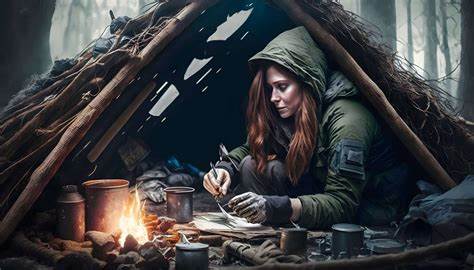
Shelter in this regard also relates to any way that we can get out of the weather. This might include finding shelter in a cave, a debris shelter, a cave, or even your vehicle.
Shelter can also relate to the clothing you’d wear to adjust to the weather. This might include loose light clothing to keep cool in the summer or it could include gloves, waterproof boots, and down jackets for the summer.
Shelter can also be used to protect your home from the weather. This might include tarps, duct tape, and plywood in preparation for a storm.
Shelter includes aspects of shelter like heating and cooling. What will you do if your usual heating or cooling source is no longer available?
Water
We all need water. Experts recommend one gallon of water per person per day for drinking and cooking and more water than that for personal care and housecleaning. Having water stored and on hand for several days or weeks.
In addition to stored water, it is important to have a means to purify more water beyond what you can store. There are several ways this can be done. One of the easiest ways is to filter the water using a carbon filter and then boiling for one minute to ensure that any pathogens are destroyed. Waterborne diseases are often lethal, especially to young children.
Food
Missing meals is something that none of us want to have happen to us so having eatable food available is a priority. Having cool food in the summer and hot food in the winter is also important to our well-being. Thinking about what you’ll do for meal preps if the electricity goes out in hot or cold weather is as important as having a food stockpile.
Having a refrigerator, deep freezer or upright freezer is a good way to store a lot of food, except when the electricity goes out. You need to always consider this possibility when purchasing food to last a long time.
Other ways of having adequate food could involve foraging for your needs, hunting, fishing, canning, dehydrating, and root cellaring.
Having a Backup to Your Backup
There’s a saying: “Two is one and one is none and three is better.”
Another rule of threes is about having a backup to your backup.
This rule of threes here has to do with having your primary way of doing something, a backup to that primary aspect, and then having a backup to that backup. This redundancy could save your life.
Take a look at your situation. What’s your primary source of sheltering issues? Water? Food? Beyond that, what would you want to have backups for? Don’t just get one extra, get a second extra. You may need it. Think about what you use regularly then get two extras. For instance, get two manual can openers to back up your electric can opener.
If you want to gain more control of your life by growing your own food, I have written several books that can help you get started. All available on Amazon.
Gourmet Weeds
Simply Vegetable Gardening
The Survival Garden
The Four Seasons Vegetable Garden
Help From Kelp
Using Diatomaceous Earth Around the House and Yard
 The Perpetual Homesteader