
Winter’s coming are you ready for what you be facing this winter?
It happened in Texas a few years ago with deadly results that could have been prevented if adequate precautions had been taken.
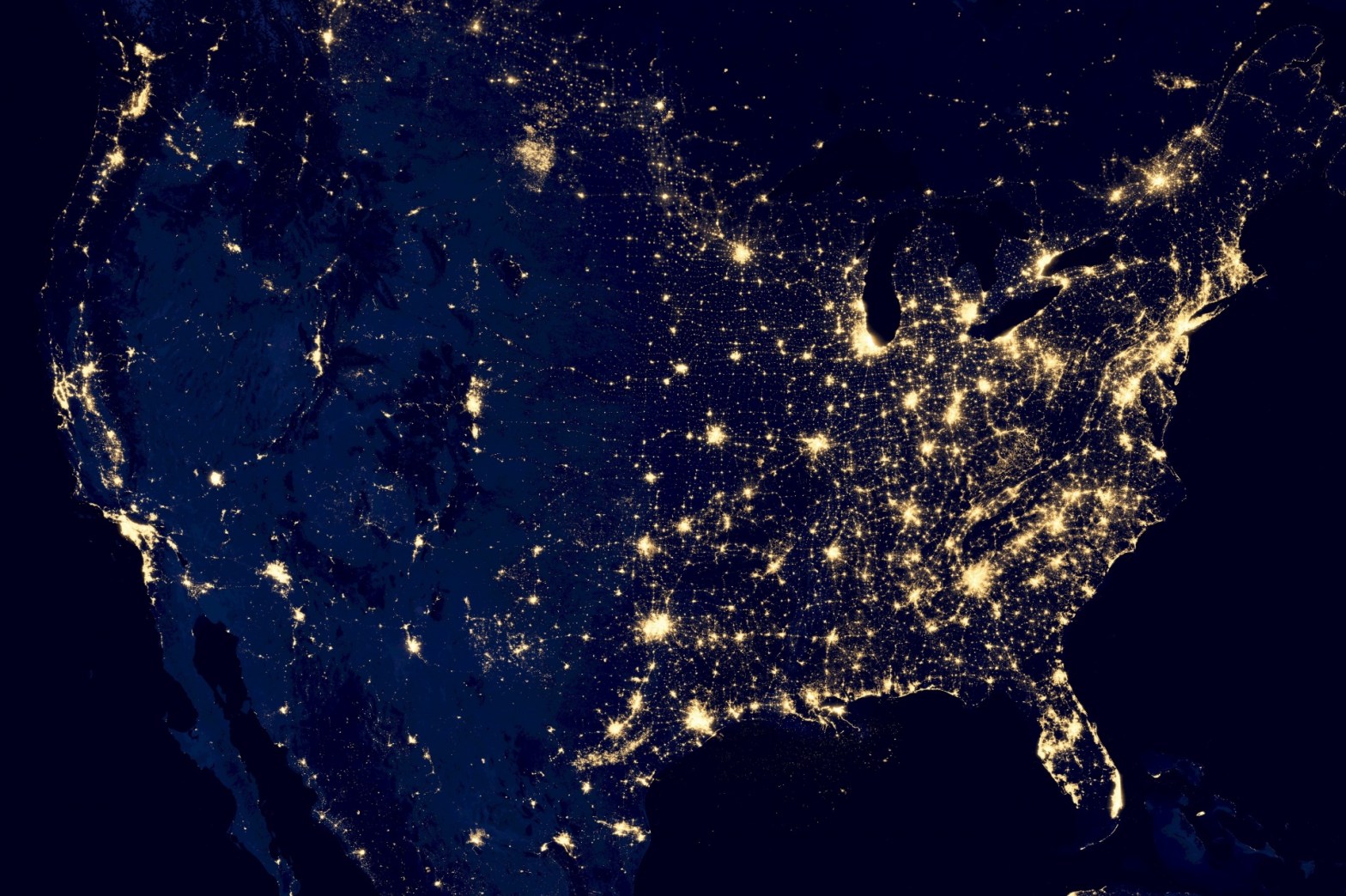
There’s a strong possibility that many of us could spend up to three weeks or longer without power this coming winter. Being without power could happen any time during the year, but since the winter months are coming, I am going to recommend a way that you can prepare for three weeks without power and complete those preparations in the next week.
This basic system offers an infrastructure which will extend its usage beyond three weeks if necessary.
Here’s What I’d Do If I Had the Money
One of the ideal ways to prepare for three weeks without electricity would be to have a propane or solar-powered generator that attaches to the electrical system within the house so that you don’t even have to worry about a power outage because you have a power unit that replaces the electrical grid when the grid is down. These, of course, are very expensive.
Doing What I Can
An alternative to a full-house generator is a smaller gas or propane-powered generator that will run some of your necessary appliances, but not others.
We have one and it has limitations. For instance, it will run my refrigerator but doesn’t have enough power to run my electric range, electric heater, clothes dryer, or electric water heater. Changing my heat source to something natural gas or propane-based can help solve that problem, but again, this comes at a high financial cost.
Many people rent and can’t make these choices and most of us who own our own homes don’t have the budget to make this possible. Therefore, what can we do if we have a deadline of three weeks to prepare for an electric grid outage of three weeks.
Heating
While having a place to be out of the wind and weather is the major meaning of this Keeping warm is part of maintaining adequate shelter. Extra blankets, sleeping bags, and putting a tent indoors for sleeping in can be used to conserve warmth.
Cuddling up under blankets is also conducive to maintaining body temperature. Skin-to-skin contact has been known to save many lives during extreme emergencies.
If heating your entire home is not a possibility, closing off a single room to heat could be doable and necessary. Purchasing a kerosene, butane, or propane heater can increase overall temperatures. However, issues concerning carbon monoxide poisoning can be a problem so be sure that you have carbon monoxide detectors installed in the areas where you are using the heater.
Having a wood heating stove is always a viable option as well. We have been using wood heat as our primary heating source. We also have heat-activated fans on our wood stove to help circulate the warm air around the room. Wood heating has been used for centuries and investing in one and the wood for fuel is a good option if wood is plentiful in your area. Here’s my article from last year regarding our woodstove.
Cooking and Making Hot Beverages
Another issue we face almost immediately when the electricity goes out occurs because the electric range isn’t. What will you do for cooking? Even if you have a refrigerator full of food that’s ready to eat, having hot food and hot drinks in cold winter is a must. Some people I know who live in cities will go to the nearest place that is open to get themselves a bite to eat and something hot to drink.
However, like me, you might live many miles from the nearest open convenience store or restaurant, so, having several ways to heat food will not only be helpful, but necessary if your electricity goes out.
Since we have a wood heating stove, keeping a hot water kettle on the woodstove is handy for making coffee (we have a French press). A couple cans from the pantry and you’ve got a hot meal.
Also, we have a butane stove that we can use to cook and heat food. All we have to do is ensure that we have stored adequate amounts of butane. (more on the subject of fuel storage in nest week’s post)
Be aware that even if you don’t cook with electricity, your gas/propane range might have an electronic ignition. If this is the case, you’ll need to figure out how to light your stove. If you’re lucky the electrical transmission source is a battery that’s part of the stove but this is not usually the case. It may be possible that you can still light your stove with a match but in many cases you’ll need an electrical source to light your stove.
Obtaining Water
If you’re on a well and your electricity goes out, it means that you won’t be able to get water from your well because the pump runs on electricity. If you have a generator big enough, you may be able to run your pump on a generator and pump enough water at a time to take care of your needs for a day or two at a time.
An alternative to this is if you see that a severe ice storm is possible, you might want to draw water before the event occurs. This way, you can have enough water for drinking, cleaning, and even toilet flushing for several days if you need it.
Alternatively, having barrels of water with a ready store of water could be lifesaving.
We’ve used melted snow for bathing, cleaning, and toilets.
Using the Toilet
If temperatures plummet and adequate precautions aren’t taken before a winter event, water coming into the toilet will no longer be available. The drains may also be frozen making it impossible to safely use the toilet.
Having a bucket designated for a toilet with pine shavings to cover up the excrement and/or wood ashes would be life-saving.
Refrigeration
Since the weather event that we’re preparing for is a winter event, refrigeration is less of an issue than it would be in the summertime, but we will address it anyway.
Having a couple of coolers set up to store your refrigerator items in a cold area of your home that is cool, but above freezing is probably one of your best moves at least while temperatures remain low.
If temperatures are above freezing outdoors, continually storing containers filled with water and using them to keep items in the cooler cold is a good move. Another good move might be to actually set the coolers outside if the temperature is slightly above freezing.
Freezer foods can usually stay frozen for a couple of days if you don’t open the freezer. For extended periods, if you have a generator, running it with the freezer plugged into it until the freezer kicks off will keep your frozen foods frozen.
If you don’t have a generator and the temperatures outdoors remain below freezing, store your frozen food outdoors in a container where animals can’t get to them.
Lighting
The first option concerning lighting is to simply go to bed when it gets dark and have flashlights to get you where you need to be when nature calls. On moonlit nights, you might not even need the flashlight. Most of us don’t want to lay in bed for over 12 hours every night. Therefore, we want alternatives.
Numerous lighting solutions exist. Just having a flashlight available and going to bed at dark could get you through. You could also use candles, solar-powered or battery-powered LED lights, we’ve used propane camp lights too.
NOA Weather Radio
Having a weather radio to keep track of the weather forecast and the news is also important because knowing this will help you in your preparations for the future. Plus, many of these weather radios can be bought that will charge themselves and also can include flashlights. We have one that can do all these things and can charge our phones as well.
Be considering your options regarding these aspects of life should a winter storm (ice or snow) knock out your power. If you have other options for covering these aspects of winter storm survival, please include them in the comments. You might save someone’s life.
What other ways can you take control of your life? Here are a few books by Cygnet Brown to help you!
If you’re interested in putting in a vegetable garden this year, I have written several books that can help you get started. All available on Amazon.
Gourmet Weeds4

Purchase Gourmet Weeds in Paperback
Simply Vegetable Gardening
The Survival Garden
The Four Seasons Vegetable Garden
Help From Kelp
Using Diatomaceous Earth Around the House and Yard
 The Perpetual Homesteader