Every year, millions and probably billions of people around the world go out and build a vegetable garden. They dig. They prepare the soil. They plant seeds and work diligently throughout the summer to get a vegetable crop.
In recent years, there has been a movement called permaculture where people take an ideology started by Bill Morrison and they produce a gardening system in which they don’t have to dig and plant regularly. In this system, fruit, nut, and nutritionally support trees, climbing plants, brambles, bushes, tall plants, herbs, and root crops. Among these plants are perennial vegetables that come back year after year.
Asparagus
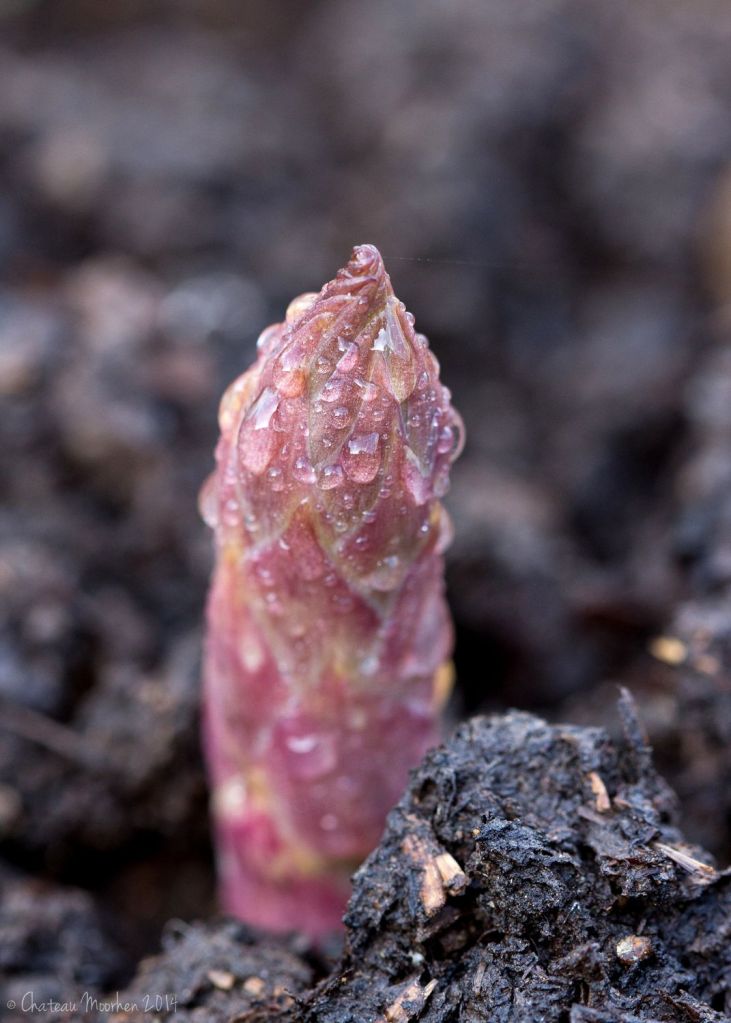
Asparagus is probably the best-known perennial vegetable. It is one of the first vegetables ready to harvest in the spring. Since it will be in the same place for years, it’s important to find an area with all the growing conditions they need. Asparagus plants are slow to mature, taking three to five years to fill in, but they are worth the wait. Once they start producing well, you will be harvesting asparagus spears for more than a month every spring before the rest of the garden starts producing
Though I grew the ones I have from seed, most people find it easier to grow asparagus from crowns, which are widely available in the spring. Asparagus plants grow best in full sun. Without enough daily sunlight, you will wind up with thin spears and weak plants that are prone to problems. We had this problem with the asparagus that I am growing. It grew under an old maple tree. Last fall we cut it down so the decreased shade should help my asparagus develop better spears.
Rhubarb
Another common vegetable that can be grown easily is rhubarb. Yes, rhubarb is a vegetable. However, it’s usually prepared and eaten like a fruit, turned into pies, jams, and jellies. This cool-season vegetable is grown for its leaf stalks that can make a wonderful tart treat. It also is a beautiful ornamental plant with its large, textured leaves and chunky stems. Rhubarb plants are hardy and live as long as 20 years or longer.
Rhubarb is also grown partial to full sun so if grown in a permaculture setting, these plants should be grown in an area where they have more than six hours of direct sunlight.
Sunchokes
Sunchokes are harvested at the other end of the growing season. Sunchokes (Jerusalem artichokes) (Helianthus tuberosus) are root vegetables that can be prepared much like potatoes but have a lower starch content.
They produce a sunflower-like flower that adds a bright cheery aspect to the perennial garden. However, if you want a better root harvest, you’ll want to remove the flowers to allow the plant’s energy to focus on producing larger tubers. Best planted in the spring a few weeks before your last frost date, Jerusalem artichokes will grow at a moderate pace and reach maturity in about 20 weeks.
Perennial Greens
Many types of perennial greens exist that can be added to the garden space. Among them are dandelions, burdock, dock, and lambsquarters. Some do best in cool shady areas while others do better in sunny locations.
Peppers
In warmer parts of the world where frost isn’t an issue, peppers are a tropical perennial that will produce fruit as long as they are kept picked.
Sweet potatoes
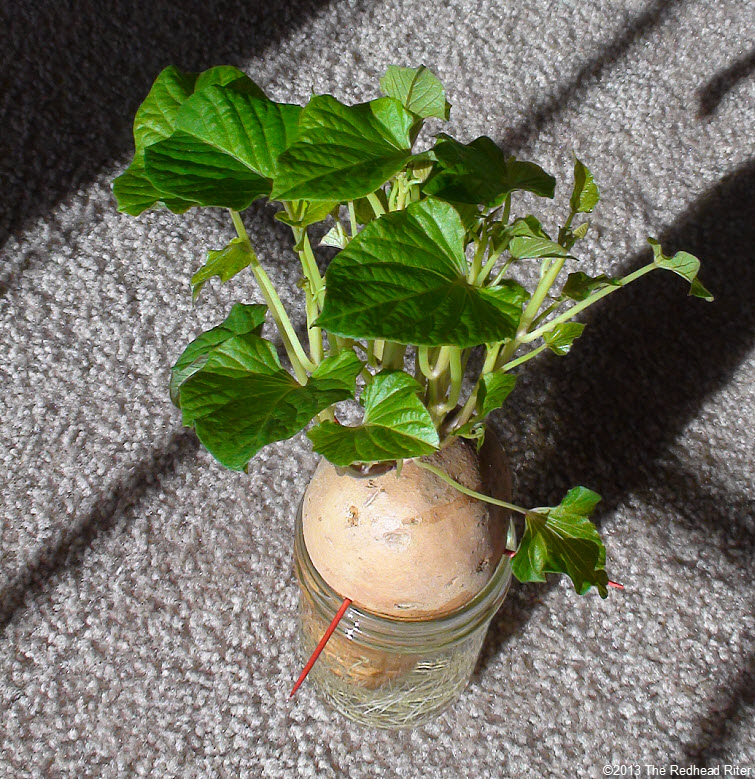
Sweet potatoes are another tropical perennial. These plants are so easy to grow especially when hot summers are the norm in your area. Roots or the tubers from the sweet potatoes can be brought in before the first frost and then planted indoors. I have done this many times with good results.
If you’re interested in putting in a vegetable garden this year, I have written several books that can help you get started. All are available on Amazon.
Simply Vegetable Gardening
The Survival Garden
The Four Seasons Vegetable Garden
Help From Kelp
Using Diatomaceous Earth Around the House and Yard
 The Perpetual Homesteader