We have spent the past few weeks going over the various aspects of living more comfortably in an electrical outage that could last more than a few hours. This is not an unlikely situation because a few years ago we had an ice storm. It created a power outage that lasted ten days.
Lights
Of course, the lights went out. Fortunately, we had several ways that we can make light. We have candles. Candles have long been a source of light. The problem with candles though is that they are inexpensive and convenient, careless handling of them can cause fires. Despite the fact I had them, because I had a young child in the house at the time, I chose to use other options for light.
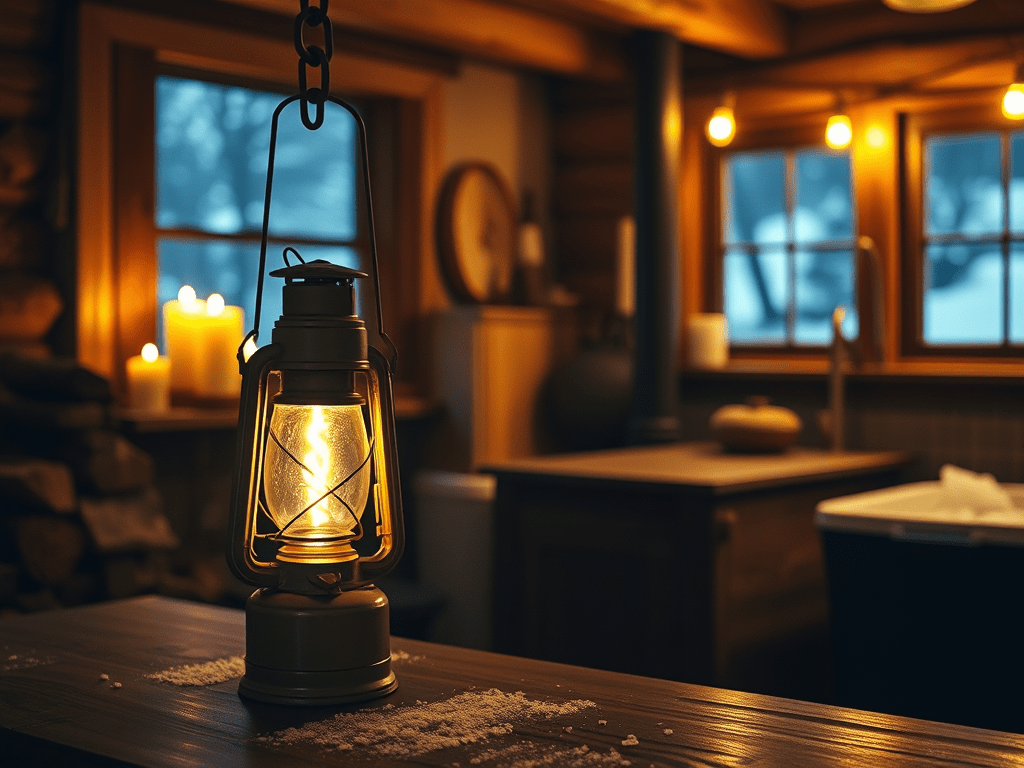
We used kerosene lanterns with a lot of success as well. Their lights provide a warm glow on those cold winter nights. Kerosene is great for long term storage too because kerosene has a much longer shelf life than many other lighting options. Like candles, however, they do involve a flame so care must be taken when using them.
We also had LED lights. We would have liked to have had solar power sources to keep them charged up, or even use rechargeable batteries and keep spares that we could continually charge. Winter storms may create problems with the ability of them to charge properly. We didn’t have a generator back then, (we do now) but we could have used our car’s cigarette lights and charger attachments in the car to use as a charging source.
We have also used propane lights. These lights offer a light strong enough for reading without straining the eyes. Another economical option for lighting is to purchase cheap solar yard lights that you can charge by day and use by night.
Refrigeration
Because it was winter, refrigeration was not our biggest concern. We put our refrigerator food in coolers and put the coolers outdoors. We did not lose any of our refrigerated foods.
Cooking, Heating and Water Heating,
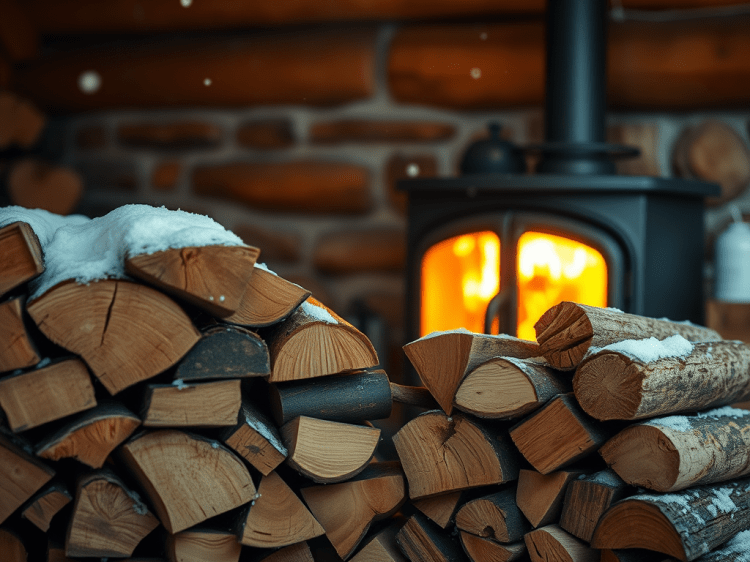
We had a wood burning cooking stove for cooking and heating our home and it worked well for both. If I had a propane stove, however, it would have been quicker for heating food and water. For our purposes for those ten days, our wood cook stove was sufficient.
No Running Water
Our biggest problem had to do with not having running water, but we managed. Because we had a well for water, when we didn’t have electricity, we did not have water. We had stored water for drinking and cooking, but water to keep the toilets flushed, doing dishes, and bathing were another story. We thawed snow and boiled it to use for these purposes.
An option to keep from having to wash too many dishes is to use paper plates, napkins, and plastic utensils. Aluminum foil or pie pans can be used to cook food over a wood stove or propane stove. However, dishes do eventually have to be washed. I tried to limit dishwashing to one time per day while we had no electricity.
Water from washing dishes was used to wipe down cabinets. This water was then poured down the toilet. I put the water from rinsing dishes in the mop bucket to mop the floor to keep my house looking like it did before the power outage.
After the floors were mopped, I saved the mop water to use to flush the toilet. We limited the number of times we flushed the toilets to avoid using as much water. We utilized the adage: “When it’s yellow let it mellow. When its brown, flush it down.” In other words, if going #1, don’t flush. If going #2, flush the toilet.
Personal Hygiene
It’s surprising how little water is needed to brush teeth. When water is limited, I wet the toothbrush, apply the toothpaste, brush my teeth, floss, rinse my mouth with a mouthful of water. Spit it out and then rinse off the toothbrush.
Bathing was usually limited to washing hair and sponge baths during this time. I have learned how to get clean including hair washing with just a gallon of water. It takes a little practice, but it can be done. It’s not as thorough as a shower or bath. I saved the water washing up and it too was used to flush the toilet.
Doing Laundry
During those ten days when we limited the number of clothes we wore and I didn’t bother trying to laundry clothes. However, if I were to do laundry, I could have taken them into town to wash at the laundromat. I also have the capability to wash my laundry at home. I have buckets in which to launder and rinse the clothes, a plunger to agitate the clothes for scrubbing the clothes, a hand wringer so I don’t have to wring out clothes by hand, and a line and clothes pins so I can hang them out to dry.
I am glad that I had planned through this scenario before I needed it. During the first few days, the heavy ice made it impossible for us to get out of our home, so having all this in place made it much easier to live a close to normal life. I am happy we had the experience because it taught me a lot about how we can work outside the system especially as it relates to the energy sector.
How about you? Have you had to deal with an extended power outage? If so, how did you and your family fare with it? what did you learn that you wished you had known before the event?
Not all the food we had during the power outage had to be refrigerated—some never was. I show this in my book The Survival Garden, which is available in paperback and Kindle.
 The Perpetual Homesteader