
Carol Robb’s book is a comprehensive guide for creating self-sufficient energy and water systems to prepare families for emergencies. It outlines alternative energy sources like solar and wind, and covers water storage solutions. Additionally, the book addresses off-grid shelter building and sustainable gardening to ensure food security in case of disruptions.
Category Archives: Homestead
Creative Ways to Use Thanksgiving Turkey Leftovers
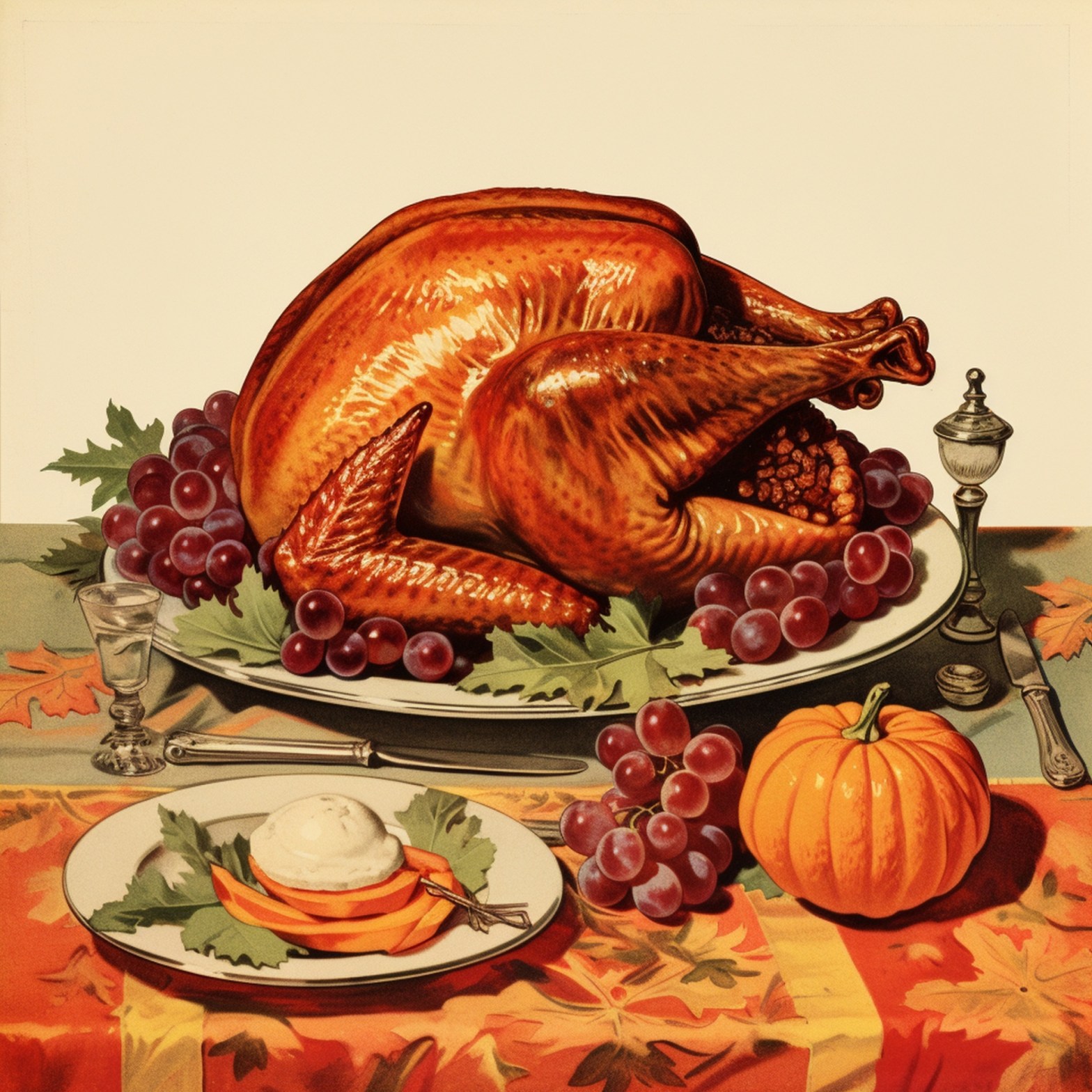
Here in the States, I use the leftovers from Thanksgiving as creatively as possible. To creatively using turkey, after the holiday, I often meal fixings on sale. I have often purchased turkeys, hams, and the like at a discount. Today, we’ll discuss how I have used the leftovers from Thanksgiving, especially turkey leftovers. Who enjoysContinue reading “Creative Ways to Use Thanksgiving Turkey Leftovers”
Lessons from a Power Outage
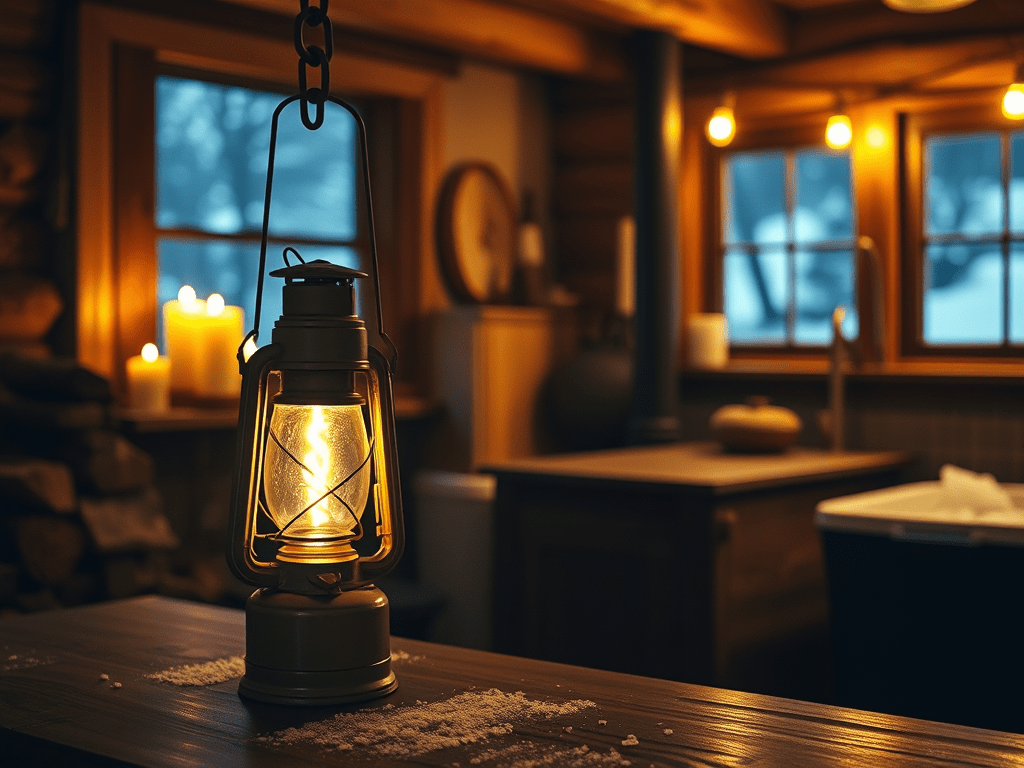
The post discusses strategies for living comfortably during an extended power outage, drawing from a past experience of a ten-day outage due to an ice storm. It highlights lighting options like candles, kerosene lanterns, and propane lights, refrigeration solutions, water management, hygiene practices, and laundry tips, emphasizing the importance of preparation and adaptability.
Should I Store Food?

Traditionally, families preserved food during winters through gardening, animal husbandry, and various preservation methods. Today, these skills are declining, yet interest is reviving among younger generations. Prepping involves storing what you eat and rotating food supplies. Growing your own food can provide security, as emphasized in “The Survival Garden.”
How Do We Know We Have a Healthy Diet?

When preparing for survival, prioritize oxygen, special needs, and water before food. While calories are vital, protein, vitamins, and minerals are essential for long-term health. Assess individual daily caloric needs, plan food sources to include balanced macronutrients, and consider micronutrients for overall nutrition. Taste and variety are also important for sustainability.
Essential Fuels for Winter Survival
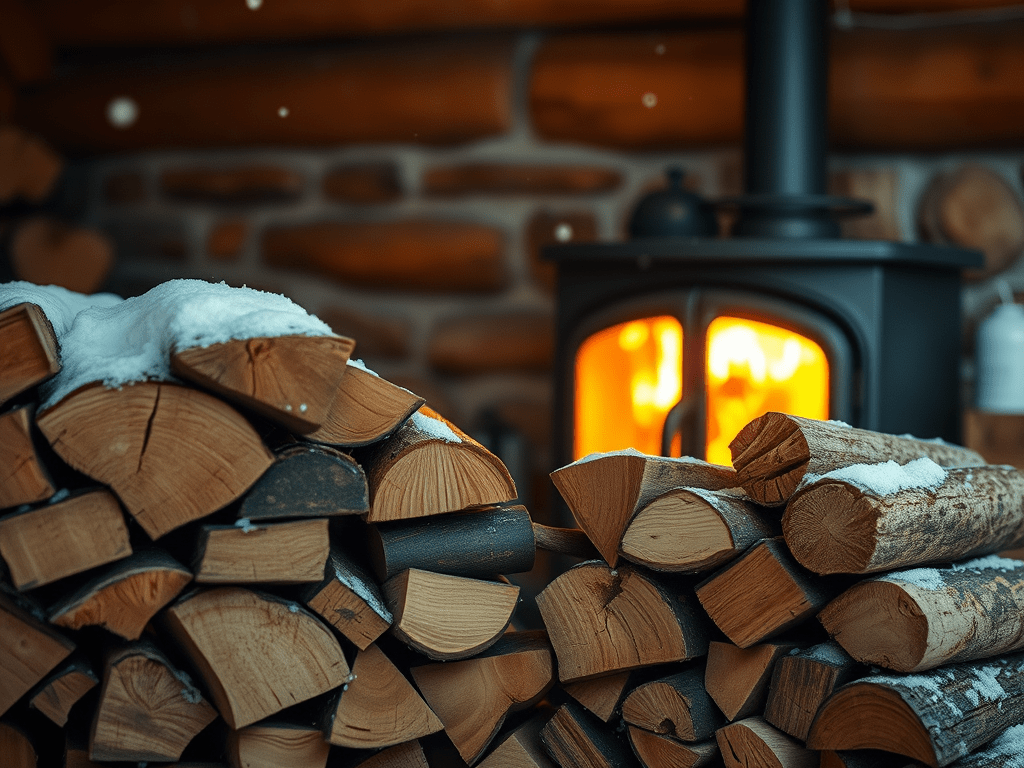
The article emphasizes winter survival strategies, focusing on the importance of stored fuels. It discusses using wood for heating, maintaining a full gasoline supply for vehicles and generators, propane storage, and the benefits of kerosene. Additionally, it suggests affordable homemade electricity options, ensuring readiness for emergencies without significant expenses.
What You Need to Know about the “Rules of Threes”
Homesteading is more than just having a garden and livestock. Homesteading is about being prepared for whatever problems may come your way. Some of these problems include natural disasters that could happen to any of us. There are two rules of threes that I learned several years ago that should be the basis for anyContinue reading “What You Need to Know about the “Rules of Threes””
There’s a Medicine Cabinet in My Backyard

The workshop introduced medicinal remedies found in the local area, emphasizing that they are not substitutes for professional medical care. Common herbs like broadleaf and narrowleaf plantain, elderberry, Rose of Sharon, and juniper have various health benefits. Participants shared their experiences, and the workshop will include a hands-on tea-making session next week.
Why Am I Doing This?

The author shares their homesteading journey, teaching their children, and writing to pass down knowledge to future generations. They hope their experiences help others live closer to nature. Concerned about the blog’s impact, they invite feedback and offer homesteading books. Their goal is to leave a legacy and share wisdom from past generations.
Three Survival Garden Vegetables, This Week’s Garden Focus
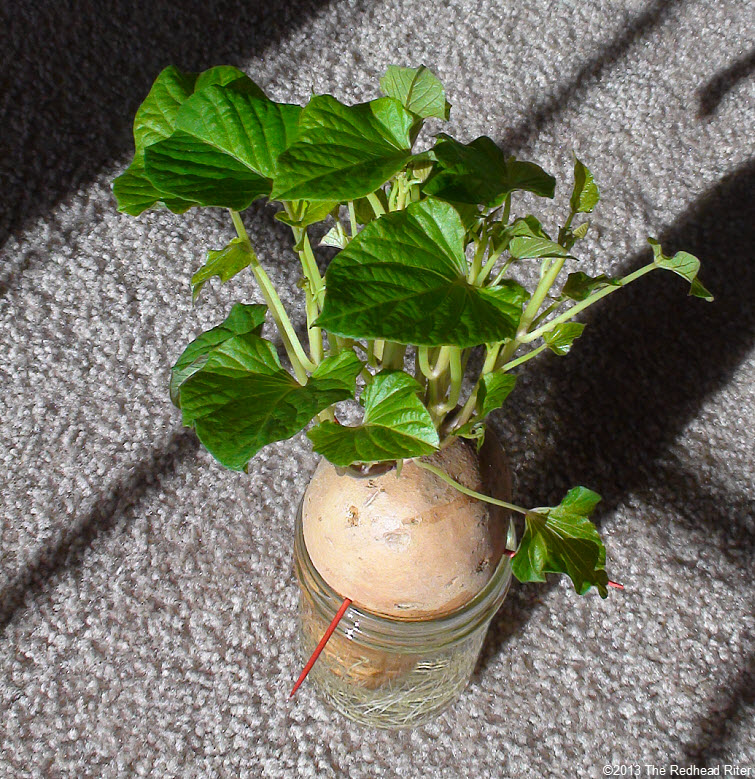
The author highlights three essential vegetables for a lasting winter garden: garlic, potatoes, and sweet potatoes. The garlic has been dried for storage, and potato harvesting has yielded 50 pounds of Norland potatoes, with more growing. Additionally, the author is planting sweet potatoes and harvesting other produce, emphasizing the sustainability of their homegrown food.
 The Perpetual Homesteader