
Carol Robb’s book is a comprehensive guide for creating self-sufficient energy and water systems to prepare families for emergencies. It outlines alternative energy sources like solar and wind, and covers water storage solutions. Additionally, the book addresses off-grid shelter building and sustainable gardening to ensure food security in case of disruptions.
Category Archives: The Survival Garden
Cutting Corners To Thrive This Winter
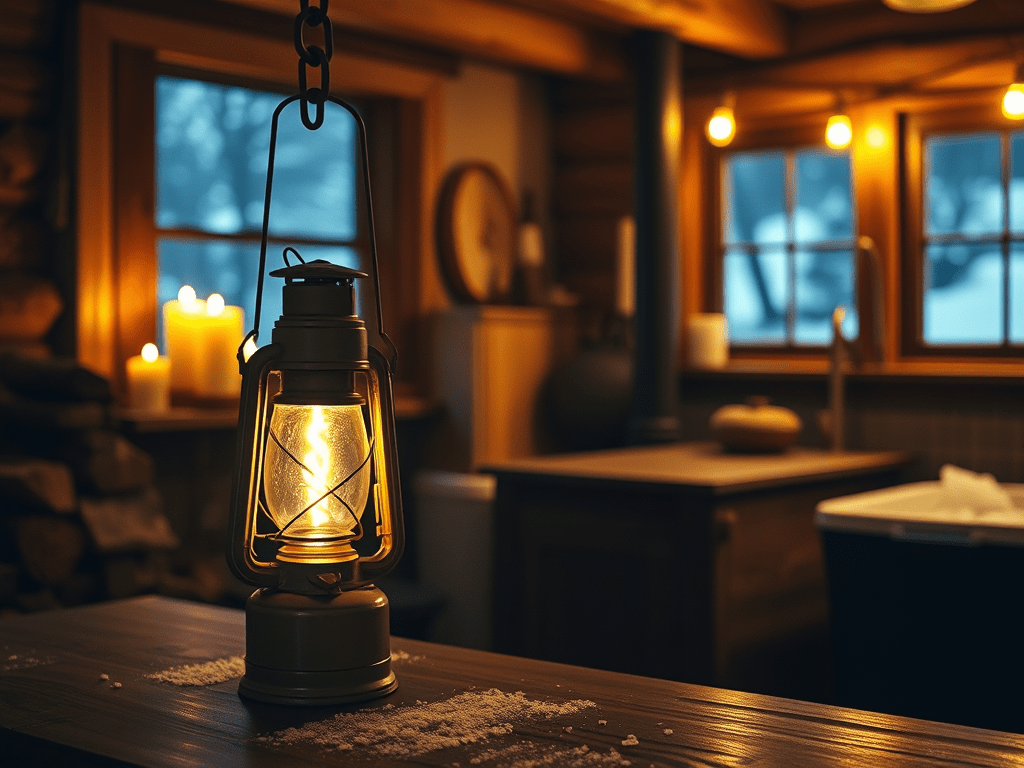
Preparing for winter involves financial planning for heating costs, updating insurance, adding insulation, storing fuel, and ensuring vehicle readiness. Create a winter emergency bag with warm clothing, food, and water. Always anticipate extreme weather conditions and have necessary supplies at hand, including alternative fuel sources and emergency tools for your vehicle.
Lessons from a Power Outage
The post discusses strategies for living comfortably during an extended power outage, drawing from a past experience of a ten-day outage due to an ice storm. It highlights lighting options like candles, kerosene lanterns, and propane lights, refrigeration solutions, water management, hygiene practices, and laundry tips, emphasizing the importance of preparation and adaptability.
Should I Store Food?

Traditionally, families preserved food during winters through gardening, animal husbandry, and various preservation methods. Today, these skills are declining, yet interest is reviving among younger generations. Prepping involves storing what you eat and rotating food supplies. Growing your own food can provide security, as emphasized in “The Survival Garden.”
How Do We Know We Have a Healthy Diet?

When preparing for survival, prioritize oxygen, special needs, and water before food. While calories are vital, protein, vitamins, and minerals are essential for long-term health. Assess individual daily caloric needs, plan food sources to include balanced macronutrients, and consider micronutrients for overall nutrition. Taste and variety are also important for sustainability.
When Turning on the Tap Isn’t an Option
Access to a sufficient water supply is crucial for survival during emergencies. The article emphasizes storing enough water for drinking, personal hygiene, and cleaning needs, recommending one gallon per person per day. It also highlights the importance of providing water for pets and livestock while maintaining hygiene to prevent waterborne diseases.
What are Your Special Preparedness Needs?

Recent natural disasters highlight the importance of preparing for special needs in families. Essential preparations include stocking supplies for medications, oxygen, and basic necessities, as well as planning entertainment options during outages. Regular assessments of seasonal requirements and having activities to keep everyone occupied can enhance resilience in crises.
Why Am I Doing This?

The author shares their homesteading journey, teaching their children, and writing to pass down knowledge to future generations. They hope their experiences help others live closer to nature. Concerned about the blog’s impact, they invite feedback and offer homesteading books. Their goal is to leave a legacy and share wisdom from past generations.
Having Backup
The content discusses creating alternatives for daily necessities in case of unavailability. It highlights using backup security firms for businesses, alternative utility sources like water, electricity, and heating, and finding substitutes for grocery stores. It also mentions alternative personal care and house cleaning products. Additionally, it promotes books on vegetable gardening and alternative living.
Fresh New Potato Dishes
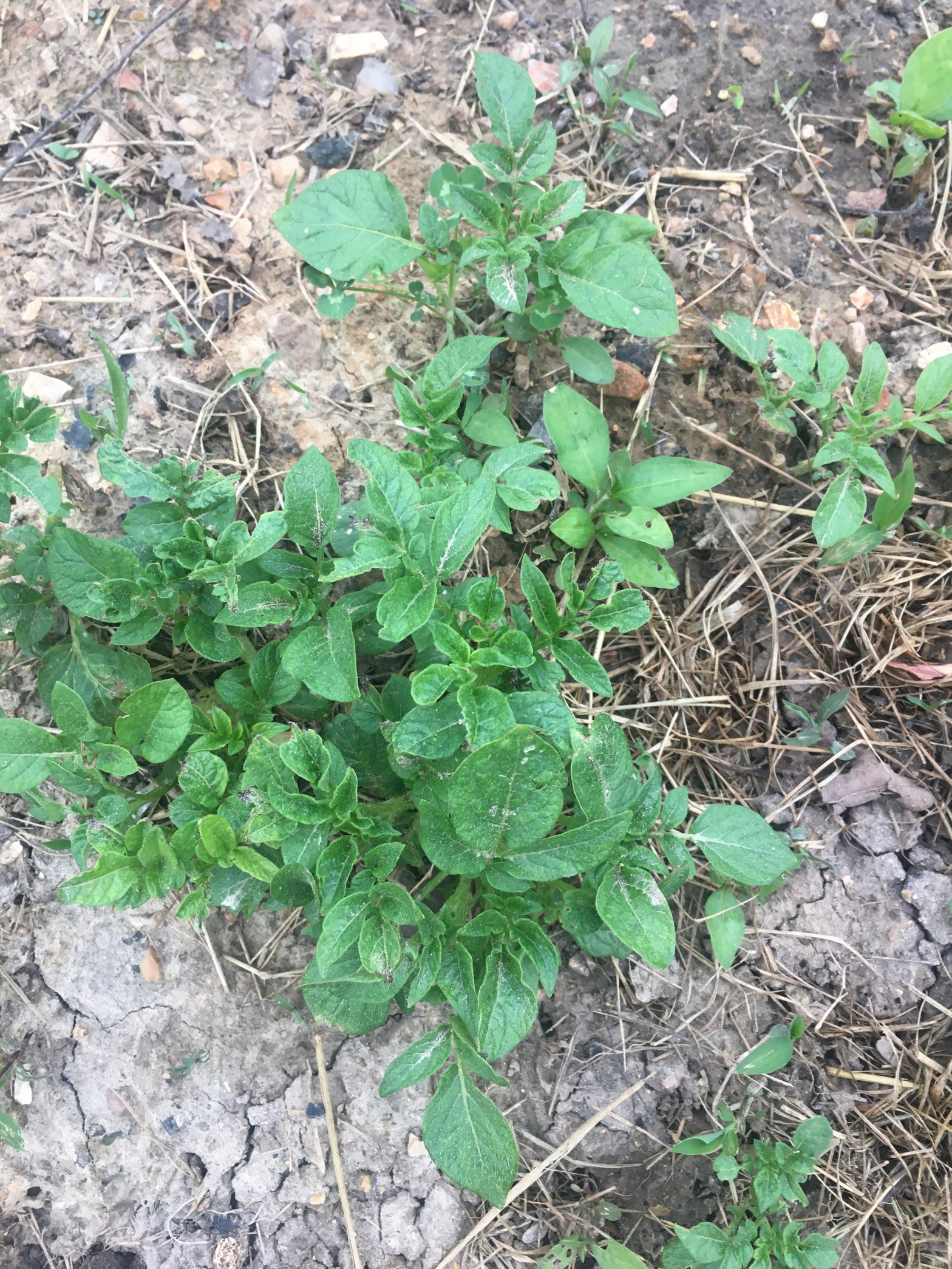
This year, our garden is overflowing with potatoes, especially the tiny new potatoes with delicate skins and flaky white centers. We enjoy making green beans and new potatoes, potato salad, oven-fried potatoes, and a breakfast skillet, all using our freshly grown produce. These recipes are flexible and can be adjusted to suit individual tastes.
 The Perpetual Homesteader